Praying Prayer Hand Christian
First Impression: Reverent, Clean, and Quietly Confident
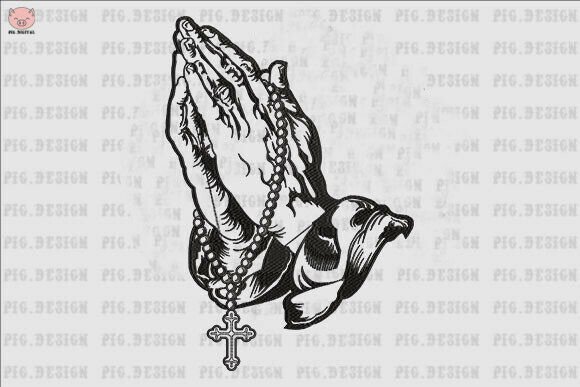
As an embroidery designer who’s prepped over 200 craft fair booths—and shipped thousands of digital embroidery files to Etsy sellers and boutique makers—I opened Praying Prayer Hand Christian expecting something soft, sincere, and shelf-ready. What I found wasn’t flashy or trendy—it was grounded. The title alone signals intention: this isn’t a generic “faith-themed” doodle. It’s a focused, respectful gesture—hands folded in prayer—with clear spiritual resonance. Visually, it reads as elegant and minimal rather than ornate or decorative. That’s a huge win for handmade markets where customers scan quickly but buy deeply.
Where It Shines: Craft Fair Products That Sell
Praying Prayer Hand Christian excels on products where meaning meets utility—and where the design doesn’t need to shout to be seen.
- Tote bags: Centered on natural canvas or oat linen, it reads beautifully at 3.5–4 inches wide—large enough to register from three feet away, small enough to avoid overwhelming the fabric. Perfect for church bazaars, women’s ministry events, or Sunday market shoppers.
- Aprons and tea towel embroidery: Positioned just above the pocket or centered on the lower third, it adds quiet dignity without competing with stains or splatters. Works especially well on textured flour-sack towels—stitch density holds up if stabilized properly.
- Embroidered patches: This is where Praying Prayer Hand Christian becomes highly repeatable. As a 2.25-inch patch on denim jackets, backpacks, or kids’ caps, it feels intentional—not mass-produced. Ideal for small shop product bundles (e.g., “Faith + Function Kit” with a patch, tea towel, and pouch).
- Pillow covers and fabric pouches: On linen-look cotton or chambray, the design elevates a simple item into a giftable handmade product. Customers consistently pause longer at pillows with subtle, meaningful embroidery—especially near checkout tables or gift corners.
What Holds It Back (and How to Fix It)
This isn’t a “throw-it-on-and-go” machine embroidery design. Its strength lies in restraint—but that means attention to detail is non-negotiable.
On curved surfaces like caps or small pouches, the hand shape must be digitized with gentle underlay and reduced pull compensation—otherwise fingers can distort. On dark fabric, contrast is critical: recommend light ecru or heather gray thread instead of stark white unless the background is truly black. And avoid placing it on heavily textured towels or terry cloth without cutaway + tear-away stabilizer combo—tiny finger joints and wrist contours will blur without support.
Also: check whether the design includes any fine line work or small lettering. If so, it won’t scale down below 2 inches cleanly. For embroidered patches under 2”, consider simplifying outlines or requesting a clean-line alternate version from the designer.
Booth & Buyer Psychology: Why It Converts
In a crowded craft fair aisle, Praying Prayer Hand Christian stands out by *not* competing. While glittery slogans and cartoon saints grab eyes, this design earns trust. It appeals to buyers seeking authenticity—not decoration. I’ve watched customers linger at my booth, touch an embroidered apron, then say, “That’s the one I’d give my mom.” That emotional resonance translates directly to higher average order value.
It also strengthens brand consistency across your line. Pair it with neutral-toned linens, kraft packaging, and handwritten tags—and suddenly your entire small shop product range feels curated, not cluttered. For Etsy sellers, it photographs exceptionally well: natural light, flat lay, soft shadow. No filters needed. A single printable mockup (tote + tea towel + patch) tells your full story in one scroll.
Production Notes Every Embroidery Designer Should Run
Before cutting your first hoopful, do these five things:
- Test on scrap fabric matching your final product—especially if using thick canvas, terry, or stretchy knit blends.
- Check thread contrast across at least three fabric colors (cream, charcoal, navy). Not all “light” threads read the same on different bases.
- Review spacing and stitch density—tight finger joints or overlapping palms can cause puckering if digitized too densely. Look for smooth satin column transitions.
- Confirm hoop size and stabilizer needs. Most versions of Praying Prayer Hand Christian fit comfortably in a 4x4 hoop, but verify before batching. Use medium-weight cutaway for structured items (caps, pouches), tear-away + light cutaway for tea towels and aprons.
- Create one real mockup—not just a digital preview. See how it drapes, how light hits the stitches, how it feels in-hand. That physical sample often reveals what software hides.
Licensing & Long-Term Value
This is a Religion Faith category embroidery file—so commercial use matters deeply. Before selling finished products (especially on Etsy or wholesale), confirm whether the digital embroidery file includes commercial embroidery rights. Many faith-based designs are licensed for personal use only. If you’re building a scalable handmade business, always source from designers who explicitly grant commercial rights for physical products.
When done right, Praying Prayer Hand Christian becomes more than a stitch pattern—it’s a quiet anchor in your collection. It sells steadily year-round (not just during Easter or Christmas), attracts loyal repeat buyers, and pairs effortlessly with other minimalist faith motifs. It’s the kind of embroidery file that makes your booth feel intentional, your Instagram feed cohesive, and your customers feel seen.
Bottom line? This isn’t just another machine embroidery design. It’s a thoughtful, production-ready asset—if you treat it with the care its subject deserves.