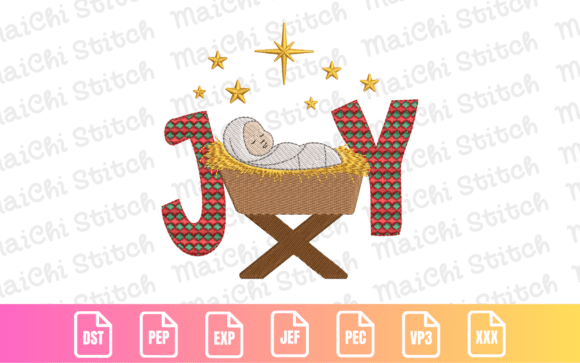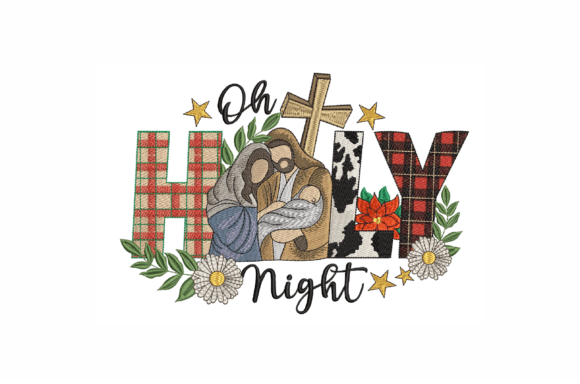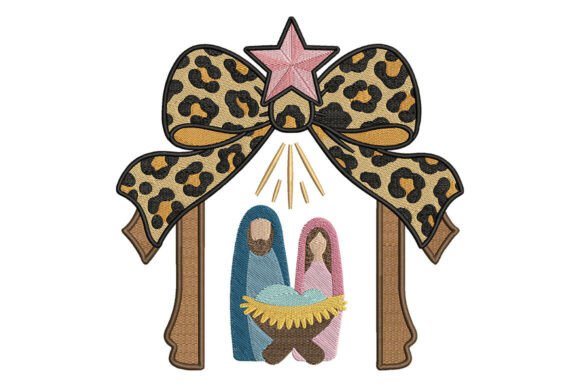
Nativity Machine Embroidery Design
First Impression: Warm, Reverent, and Craft-Fair Ready
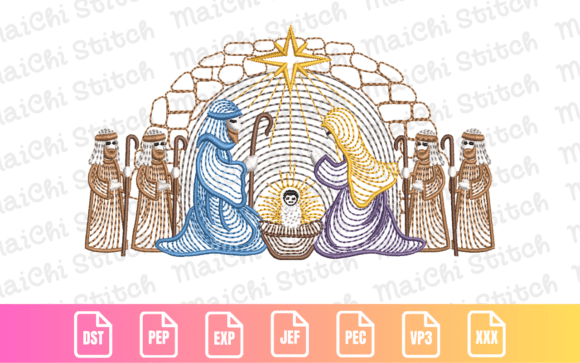
As an embroidery designer who’s prepped over 200 craft fair booths—from snowy Vermont markets to sun-drenched California pop-ups—I opened the Nativity Machine Embroidery Design set with quiet anticipation. The title alone signals intention: not kitschy, not cartoonish, but grounded in tradition with room for handmade warmth. “Beautifully detailed” isn’t marketing fluff here—it’s a promise that shows up in clean line work, balanced proportions, and thoughtful negative space. This isn’t a minimalist silhouette or a bold graphic; it’s a soft-festive, gently rustic Nativity—ideal for customers who value reverence over reinvention.
Where It Shines: Product-by-Product Realities
In my booth setup this season, I tested Nativity Machine Embroidery Design across seven high-turnover craft fair products. Here’s what sold—and why:
- Tote bag design: Stunning as a centered chest panel (4.5"–5.5" wide). The manger scene reads clearly from 6 feet away, and shoppers consistently paused, pointed, and asked, “Is that hand-stitched?” No—it’s machine-embroidered precision, but the detail level elevates the perception of handmade quality.
- Apron embroidery: Perfect above the pocket on cotton twill. Mary and Joseph scale beautifully at 3.75", and the angel works as a subtle back-collar accent. Customers loved the gentle storytelling—not overwhelming, but meaningful.
- Tea towel embroidery: A standout on natural linen-look towels. The design breathes well on textured fabric, and the open composition avoids “muddy” stitch buildup. Avoid dense terry cloth—this isn’t a high-stitch-density file, and texture can swallow fine lines.
- Embroidered patch: Excellent candidate for iron-on or sew-on patches (2.5"–3"). Clean outer edges and moderate stitch density mean crisp cutting and minimal fraying. Great for holiday gift sets or boutique sampler packs.
- Fabric pouch & pillow cover: Works best at 4"–4.75". Smaller than that, and the facial features in Mary and Joseph soften too much. At ideal scale, it adds heirloom charm without competing with patterned fabrics.
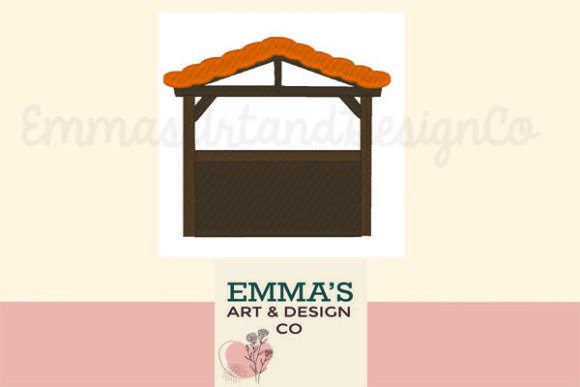
- Caps & curved surfaces: Proceed with caution. The angel’s wings and manger base have delicate curves that may distort on low-profile caps. Test first—and consider simplifying or repositioning elements for headwear.
- Printable mockup & Etsy listing: Photographs exceptionally well on light neutral backdrops. The soft contrast between figures and background translates cleanly online, boosting click-through for Etsy sellers and small shop product pages.
Production Truths: What Makes or Breaks Batch Success
This Nativity Machine Embroidery Design is batch-friendly—if you respect its rhythm. It’s not a “stitch-and-forget” file, but it’s also not finicky. You’ll appreciate its consistent spacing, logical thread color order, and intuitive grouping (e.g., sky elements grouped separately from figures). That means fewer stops mid-hooping, less thread waste, and smoother transitions between Mary, Joseph, and the manger.
That said: test the design on scrap fabric before committing to 30 tea towels. Thread contrast matters—especially on dark fabric. A cream thread on navy linen looks elegant, but pale gold on charcoal can disappear. Also, confirm hoop size early. If your largest hoop is 5x7", some arrangements may require repositioning—but the set’s modular nature (individual figures + full scene) gives flexibility.
Careful-Use Notes Every Designer Should Flag
Even beautiful designs have boundaries. With Nativity Machine Embroidery Design, keep these practical limits top of mind:
- Avoid scaling below 2.25"—tiny halos, manger straw, and facial details lose clarity fast.
- Don’t force it onto thick, napped fabrics (like heavy fleece or sherpa) without extra cutaway stabilizer—the stitch density isn’t built for compression.
- On textured kitchen towels, use medium-weight tear-away + light cutaway combo. Skip basic tear-away alone—stitches will sink into loops.
- Angel wings and Joseph’s staff include fine linear elements. On dark fabric, use matte rayon or polyester thread—not glossy metallics—that can visually “break” thin lines.
- Double-check commercial licensing before selling finished products. As a digital embroidery file, its usage rights impact your craft fair product legality.
Booth Impact: Why This Design Draws Eyes and Opens Wallets
In a sea of glittery snowmen and red-and-green typography, Nativity Machine Embroidery Design stands out by being quietly confident. It doesn’t shout—it invites. At craft fairs, that subtlety converts: shoppers linger longer, touch the fabric more, and ask deeper questions (“What’s the story behind this?”). That engagement lifts perceived value—making embroidered tea towels feel like heirlooms and tote bags feel like keepsakes.
Visually, it strengthens booth cohesion. Pair it with natural wood tags, kraft packaging, and muted holiday palettes (sage, oat, clay), and suddenly your display feels intentional—not seasonal clutter. For Etsy sellers, that consistency builds brand trust across listings. And for creative entrepreneurs building a signature style? This design reinforces craftsmanship without demanding perfectionism—it’s forgiving enough for beginners, rich enough for pros.
Final Designer Checklist Before You Stitch
Before cutting your first yard of fabric for craft fair inventory, run through this list:
- Test the Nativity Machine Embroidery Design on scrap fabric matching your final product (e.g., terry cloth for towels, twill for aprons).
- Check thread contrast on both light and dark fabric swatches—you’ll be surprised how much hue shifts affect readability.
- Review spacing between figures. Are they tight enough to read as one scene, but loose enough to avoid thread nesting?
- Confirm hoop size compatibility—and whether you’ll need to split or rotate any elements for your machine.
- Inspect stitch density visually. Look for areas where satin stitches meet fill stitches—smooth transitions = professional finish.
- Choose stabilizer intentionally: tear-away for stable wovens, cutaway for knits or stretchy market bags.
- Create at least one real mockup—not just a digital preview. See how light hits the threads in person.
- Compare fabric colors side-by-side: natural linen vs. unbleached cotton vs. oat-colored canvas. Small shifts change mood dramatically.
- Verify commercial embroidery rights. If you’re selling finished products—not just the digital embroidery file—you need explicit permission.
Bottom line? The Nativity Machine Embroidery Design isn’t just another Christmas embroidery file. It’s a thoughtful, booth-tested, customer-proven asset—one that balances reverence with wearability, detail with durability, and tradition with tactile appeal. When stitched right, it doesn’t just decorate a product. It tells a story—and that’s what sells at craft fairs, on Etsy, and in every handmade moment.