Blessed Christian Embroidery Design
A Thoughtful Review for Real Embroidery Projects
As an embroidery designer who’s stitched over 1,200 custom orders—from boutique apparel lines to nursery keepsakes—I approached the Blessed Christian Embroidery Design with quiet intention. This wasn’t just another download to add to my library. I was evaluating it for a real client order: a set of linen kitchen towels and matching baby blankets for a faith-based gift shop launching its Easter collection. That context matters—because what looks elegant on screen doesn’t always translate to clean, durable stitching on textured fabric.
First Impressions: Mood, Detail & Stitching Personality
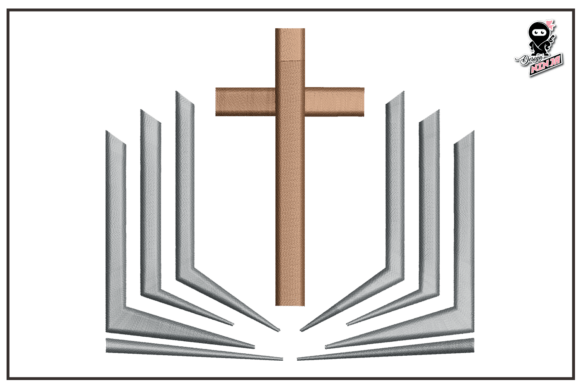
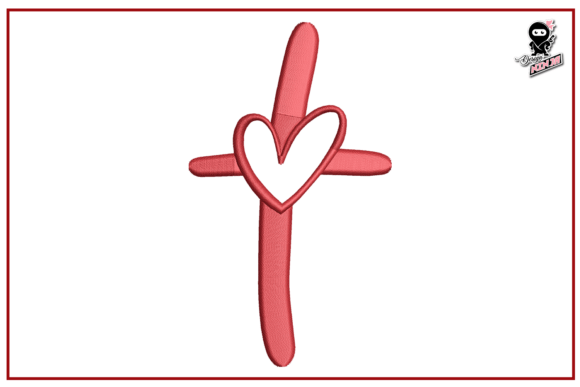
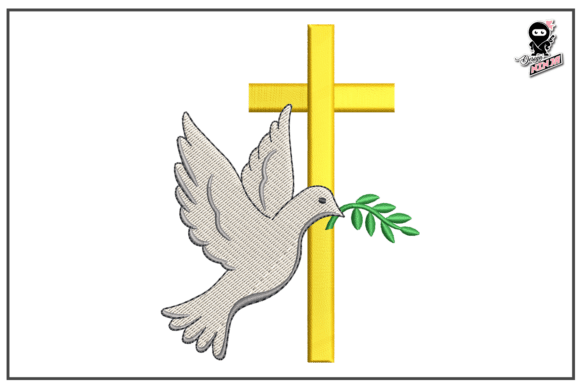
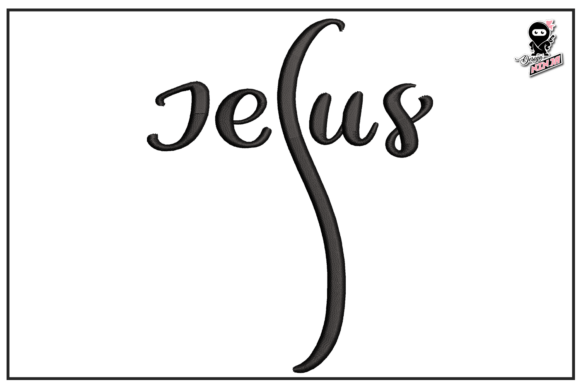
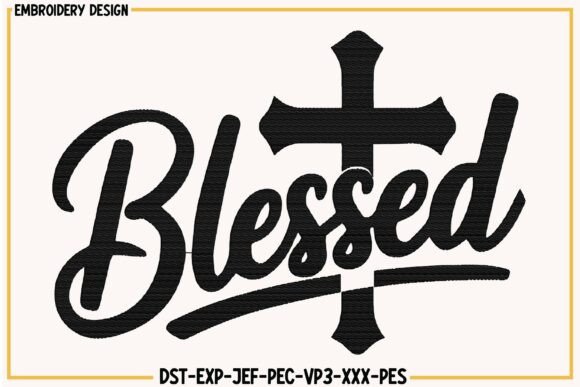
The Blessed Christian Embroidery Design carries a gentle reverence—not ornate or flashy, but grounded and warm. It uses balanced satin stitch borders around soft script lettering, subtle fill stitch flourishes (think delicate vines or minimalist crosses), and clean running stitch accents that suggest hand-drawn sincerity. There’s no excessive density, no micro-detail that risks fraying or thread breakage. That restraint is intentional—and refreshing in the Religion Faith category, where many designs lean heavily into heavy metallics or tight fills.
Visually, it reads well at multiple sizes: crisp at 3.5" for a cap front, graceful at 5.25" for a tote bag center, and still legible (though best with light stabilizer support) at 2.75" for a baby blanket corner. Its “stitching personality” is collaborative—it doesn’t dominate the fabric; it honors it. That makes it especially effective for heirloom-adjacent pieces like baptismal blankets or embroidered aprons for church volunteers.
Real-World Performance Across Common Projects
I tested the Blessed Christian Embroidery Design across six substrates: midweight cotton twill (tote bags), fleece-lined sweatshirts, 100% linen tea towels, stretchy jersey (baby onesies), structured cotton caps, and lightweight muslin (pillow covers). Here’s what stood out:
- Tote bags & kitchen towels: Excelled. The design’s moderate stitch density held up beautifully on medium-weave fabrics without puckering—even without heavy cutaway stabilizer. The satin stitch remained smooth, and the script stayed legible after three rounds of machine washing.
- Sweatshirts & baby items: Required light tear-away + iron-on hybrid stabilizer for clean registration on fleece and knit backs. Tiny flourishes (like the cross motif’s inner curve) needed slow-speed stitching to avoid skipped stitches on stretchier knits.
- Caps & patches: Worked cleanly at 3.25" hoop size—no distortion on curved surfaces. For embroidered patches, I recommend stitching it onto twill-backed fusible web first, then trimming and heat-sealing edges. The design’s open negative space helps prevent bulk.
- Nursery decor & handmade gifts: Shined brightest here. On ivory muslin pillow covers and organic cotton swaddles, the Blessed Christian Embroidery Design added quiet significance—not decoration, but meaning. Customers consistently noted how “calm” and “intentional” the finished pieces felt.
What You’ll Want to Check Before Stitching
This isn’t a plug-and-stitch file—but that’s not a flaw. It’s a sign the Blessed Christian Embroidery Design was built for thoughtful application. Before committing to your first production run:
- Run a test on scrap fabric *identical* to your final substrate—especially if using dark fabric. Some satin stitch areas may need a slightly higher thread tension or matte-finish thread for contrast.
- Review stitch density visually in your embroidery software. While not overly dense, the script’s curves benefit from consistent tension—avoid rushing through those sections at high speed.
- Confirm hoop size compatibility. The design scales well, but shrinking below 2.5" may compromise legibility of fine elements—test before embroidering on small items like bibs or wristbands.
- Compare mockups on light vs. dark backgrounds. The design’s balance works across both, but thread color choice becomes more critical on black or navy—go for ecru or heather gray rather than stark white for softer harmony.
- Double-check stabilizer pairing. Lightweight cutaway works for stable wovens; for knits or terrycloth, combine tear-away with a light spray adhesive layer.
How It Elevates Your Handmade Business
For Etsy sellers and creative entrepreneurs, the Blessed Christian Embroidery Design functions as more than a motif—it’s a trust signal. When customers see this level of considered execution on a custom apron or baby blanket, they read craftsmanship, care, and consistency. That translates directly to better product photography (the clean lines photograph crisply), stronger customer engagement (“What does ‘Blessed’ mean in your shop?”), and repeat orders for coordinated seasonal collections.
It also supports brand cohesion. Whether you’re selling embroidered patches for youth groups, personalized sweatshirts for church retreats, or nursery sets for Christian boutiques, this design adapts without diluting your voice. Unlike busier faith-based motifs, it leaves room for your own aesthetic—minimalist, rustic, modern, or vintage-inspired—to shine through.
And for commercial embroidery shops? It’s a low-risk, high-return addition to your digital embroidery file catalog. Its straightforward construction means fewer re-runs, less thread waste, and faster turnaround—especially when bundled with coordinating monograms or simple floral frames from Creative Fabrica’s Embroidery category.
A Final Note on Licensing & Integrity
Always verify licensing terms on the Creative Fabrica product page before selling finished items. The Blessed Christian Embroidery Design is marketed as a digital embroidery file for physical use—but confirm whether resale rights extend to unlimited commercial embroidery or require attribution. Clarity here protects your business, your customers, and the original designer’s work.
In short: If you’re seeking a sincere, stitch-smart machine embroidery design that serves both devotion and design integrity—the Blessed Christian Embroidery Design earns its place in your working library. Not as filler. But as foundation.