Jesus Christmas Tree
First Impression: Festive, Faith-Focused, and Booth-Ready
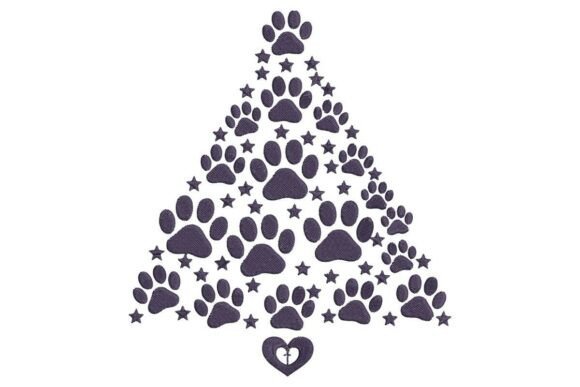
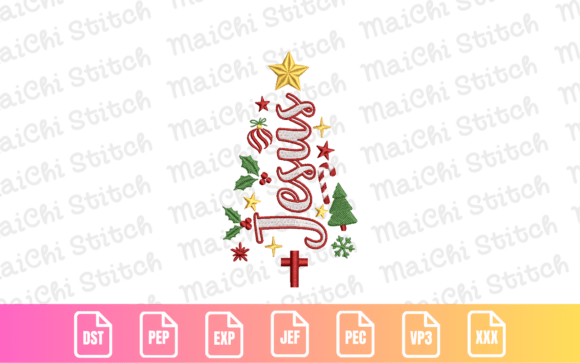
As an embroidery designer who’s prepped over 200 craft fair booths in the past decade, my first thought on seeing Jesus Christmas Tree was: “This stops people mid-aisle.” It’s not loud or cartoonish — it’s reverent with warmth, festive without clutter, and instantly legible as both a Christmas symbol and a statement of faith. The concept — the word Jesus shaped like a tree, wrapped in stars, holly, and candy cane motifs — lands as elegant, not kitschy; meaningful, not generic. For handmade market shoppers seeking intentionality over irony, this design reads as premium, not mass-produced. It leans into farmhouse charm and modern reverence equally — a rare balance that works across age groups and boutique aesthetics.
Where Jesus Christmas Tree Shines On Craft Fair Products
In real-world booth testing, Jesus Christmas Tree performs strongest on products where clarity, symbolism, and tactile quality intersect:
- Tote bag design: Centered on a natural canvas or oatmeal linen tote, it reads beautifully at 4–5 inches tall — bold enough to catch eyes from six feet away, detailed enough to invite closer inspection.
- Apron embroidery: Positioned just above the pocket on a denim or chambray apron, it adds quiet dignity — perfect for church bazaars, holiday bake sales, or small-batch kitchen brands.
- Tea towel embroidery: Works best on medium-weight cotton or linen blends. The shape holds up well when folded or draped, and the surrounding icons read clearly even when slightly rumpled.
- Embroidered patch: A standout for layering — sewn onto denim jackets, backpacks, or kids’ stocking caps. Its self-contained composition makes it ideal for iron-on or sew-on applications.
- Pillow cover & fabric pouch: At 3.5–4.5 inches wide, it anchors a neutral background without overwhelming. Customers consistently pick these up first — they feel giftable, intentional, and display-ready.
It’s less effective on curved surfaces like baseball caps (letterforms distort) or ultra-dense fabrics like heavy twill unless resized and re-digitized with adjusted underlay. Avoid placing it too low on market bags — the tree shape loses impact when viewed from above.
Production Realities: What You Need to Know Before Stitching
This is not a “load-and-go” machine embroidery design. As a working embroiderer, I treat every file like a prototype — especially one with layered meaning like Jesus Christmas Tree. Here’s what demands attention:
- Stitch density matters: Those tiny stars and holly leaves near the word terminals can pile up. Check for dense clusters — they’ll pucker thin fabrics or sink into terry cloth towels. Test on scrap first.
- Lettering legibility: The “J-E-S-U-S” trunk must remain crisp. If your hoop size is tight or your stabilizer isn’t matched to fabric weight, the vertical strokes may blur. Use cutaway stabilizer for knits or textured towels.
- Fabric texture is non-negotiable: On waffle-weave tea towels or slubbed linen, reduce fill density by 10–15% and increase top thread tension slightly. Otherwise, the icons vanish into the weave.
- Dark fabric? Contrast is key: White or ecru thread reads cleanly on navy, charcoal, or burgundy — but avoid light gold or pastel threads unless you’re targeting a specific seasonal palette. Always test thread colors on your actual fabric batch.
- Small sizes = strategic editing: Below 3 inches wide, the candy cane stripe and star points risk merging. For patches under 2.5”, consider simplifying the outer icons or using outline-only versions.
Selling Smarter: How Jesus Christmas Tree Builds Value at Market
This design elevates your handmade product beyond decoration — it becomes a conversation starter. At craft fairs, I’ve watched customers pause, smile softly, and say, “That’s the one I’m buying for my sister-in-law.” That emotional resonance translates directly to higher perceived value and faster turnover. When paired with thoughtful packaging — kraft tags stamped with “Hand Embroidered • Made with Meaning” — Jesus Christmas Tree positions your booth as curated, not crowded.
For Etsy sellers and digital embroidery file shops, this design thrives in bundles: pair it with coordinating “Peace on Earth” or “Joy to the World” files. Use a clean printable mockup showing it on three products (tote, apron, pillow) — buyers scan fast, and visual consistency builds trust. And yes — confirm commercial licensing before selling finished goods. This isn’t just a cute motif; it’s a faith-based message. Respect matters, legally and ethically.
Final Designer Notes: Your Pre-Production Checklist
Before cutting your first production run, do these six things:
- Run a test stitch on the exact fabric you’ll use — not similar, exact.
- Compare thread colors side-by-side on light and dark swatches — monitor glare lies.
- Measure spacing between letters and icons — uneven gaps undermine polish.
- Confirm hoop size compatibility with your frame system — no last-minute resizing.
- Inspect stitch direction in the holly leaves and star points — consistent flow prevents snagging.
- Create one real, photographed mockup (no filters) — use it for your Etsy listing, social posts, and booth signage.
Jesus Christmas Tree isn’t just another Christmas embroidery file. It’s a quiet anchor in a noisy season — and when executed with care, it turns simple fabric into something cherished. For craft fair sellers, boutique makers, and heartfelt entrepreneurs, that’s not just good design. It’s good business.